Discover our Blog

Practical resources on technology, logistics and management to make your event a success.

What is a trade fair? A trade fair is a limited-duration event where companies from the same or complementary sectors exhibit their products and services to a professional audience, with the aim of generating business contacts, closing deals, and increasing...
What is a cashless refund? A cashless refund is the process by which an attendee gets back the credit they loaded onto their wristband or card but did not spend during the event. In a cashless payment system, the attendee...
What is check-in at an event? Event check-in is the process by which an attendee confirms their arrival at the venue and gains access to it. Traditionally this was done with paper lists, manually searching for the attendee’s name and...
What is QR code access control? QR code access control is a system that validates attendees’ entry to an event by reading a printed or digital QR code. Instead of checking paper tickets by hand or having security staff inspect...
What is an NFC wristband for events? An NFC wristband for events is a wristband with a built-in near-field communication (NFC) chip. With a simple tap, it identifies the wearer, controls their access to different areas of the venue and...
A barcode reader (or barcode scanner) is a device that captures and decodes the information contained in a barcode, whether 1D, 2D or QR, and sends it to a computer system in real time. It is one of the most...
Why festivals have made cashless the standard If you run a festival, you already know that handling cash is one of the biggest headaches: queues at the bar, till errors, theft and, at the end of the event, a manual...
What is PMR at a concert? PMR stands for Person with Reduced Mobility. In the context of concerts, festivals, and events in general, the term PMR refers to attendees who, due to a physical disability, whether temporary or permanent, require...
Making accreditation for an event means defining the type of accreditation based on each attendee’s role, choosing the format (physical or digital), designing what information it should contain, and setting up how access will be validated on the day of...
Enter the surface area of ​​your venue or event and instantly find out how many people can be safely accommodated inside. The information on this page is based on the Basic Document on Safety in Case of Fire (CTE DB-SI)....
Capacity is the maximum number of people who can be safely in a space at the same time. Knowing the capacity of a venue, hall, or event is not a decision made by the organizer, but is regulated by fire...
Access control for concerts and festivals lets you validate tickets, manage capacity and prevent fraud at events with thousands of attendees. As an access control company for concerts and festivals, we combine technology and, when needed, specialist staff to get...
Cashless is a payment system that allows event attendees to pay at bars, food trucks, and stands using a wristband, card, or sticker with RFID or NFC technology. Instead of carrying cash, attendees load funds onto their device before or...
Event accreditation is one of the most important elements for ensuring a professional, safe, and efficient event. From conferences and trade fairs to festivals and corporate events, it allows for the identification of each attendee and control over which areas...
Conferences and conventions require precise management of attendees, access, and accreditation to ensure an organized, professional experience from the very first moment. Attendee registration, check-in, and access validation have become a key part of running any corporate or academic event...
Accreditations for Events: A Complete Guide Event accreditations are a fundamental part of organizing conferences, trade shows, festivals, or corporate events. They allow organizers to identify attendees, control access, and streamline registration in a secure and organized way. Although many...
How to tell if a ticket is fake is one of the most common questions among organizers and attendees since QR codes were introduced for event access. This digitalization has also increased fraud attempts through screenshots, duplicates, or unauthorized resale....
Organizing the entry of attendees quickly, safely, and without queues is one of the biggest challenges at any event. This is where access control comes in, a system that allows you to validate tickets, manage capacity, and ensure a smooth...
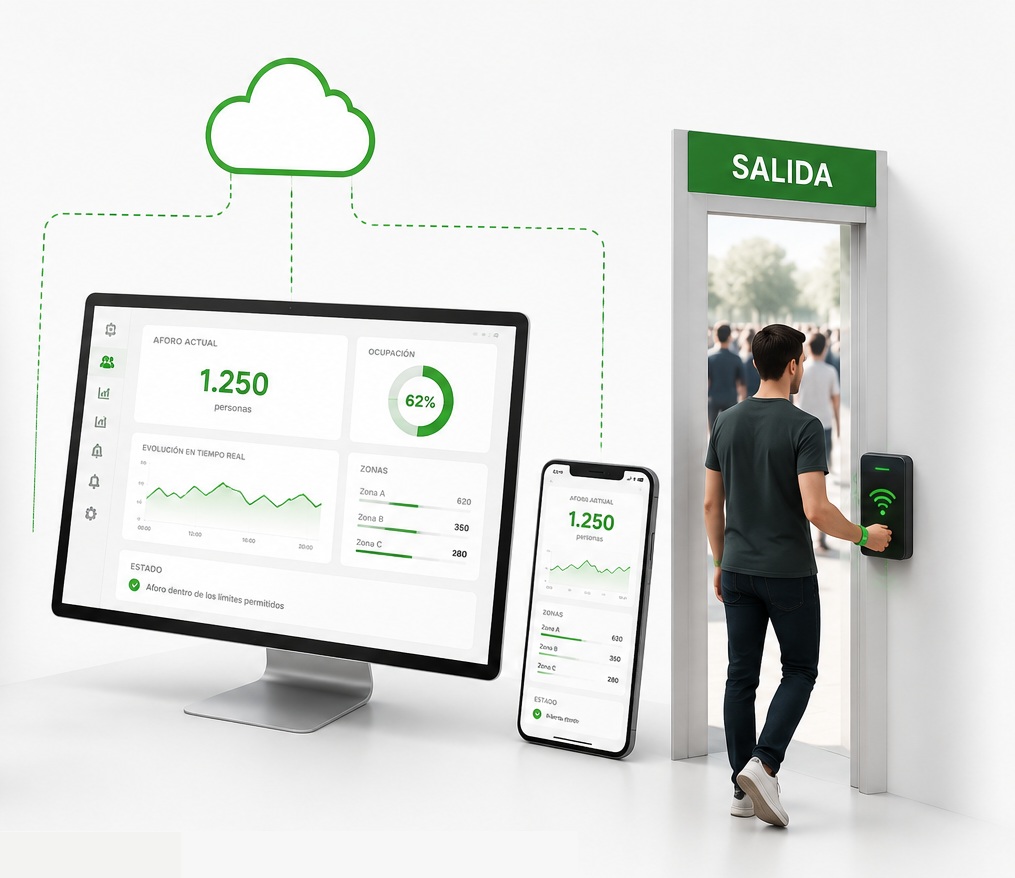
In recent years, capacity control at events has gone from being a mere legal requirement to a strategic element in the planning and execution of any large gathering. The pandemic accelerated this transformation, but technological trends were already pointing toward...
Capacity control is one of the most important aspects of event organization. It’s no longer just about complying with current regulations, but about ensuring that attendees have a safe, comfortable, and uncrowded experience. At events of any scale, from massive...
At any event, access is the first point of contact between the organizers and the public. Whether it’s a festival, a conference, or a fun run, that first interaction can make the difference between a positive experience and a sense...
These tips for organizing an event will help make your attendees’ experience flawless: great content or a big turnout alone aren’t enough, since every interaction counts, from the very first contact until they leave the venue. Poor access management, long...
In recent years, the demand for inclusive concerts has increased: more and more people want to enjoy music on equal terms. However, many musical events still present barriers for people with disabilities, limiting their experience. What is PMR at a...
Queues at the entrance have a direct impact on the attendee experience. They cause delays, operational problems and, in the worst cases, safety risks. At festivals, conferences, trade fairs and sporting events, poorly planned access control creates unnecessary bottlenecks and...

If you’re an event organizer, designing and creating an event from scratch is probably your favorite part. Once you receive the client’s brief, it’s time to put your creativity to work and think about all the actions needed to achieve...