

How to tell if a ticket is fake is one of the most common questions among organizers and attendees since QR codes were introduced for event access. This digitalization has also increased fraud attempts through screenshots, duplicates, or unauthorized resale. Nowadays, telling whether a QR ticket is fake requires the use of smart, real-time validation systems.
A QR code is an image that stores digital data readable by a camera: in the case of a ticket, it contains the event information and a unique identifier. When scanned, the system checks whether the code is valid, whether it corresponds to the event, and whether it has been used before. That’s why, even though all QR codes may look alike, each one is unique and non-transferable, but it can be manipulated using professional editing tools, something that often goes unnoticed at first glance.
We’ve all wondered at some point how to know if my ticket is original. This checklist can help you figure out if your ticket is fake:
The Guardia Civil has recently warned about this type of scam and recommends being extra cautious with the sense of urgency often used in ticket sales. If you have doubts about the origin of your ticket, the best approach is to check the event’s official website for its authorized sales channels before buying.
Buying through platforms like Viagogo, or directly from an individual (on sites like Facebook, Wallapop, or Milanuncios), doesn’t automatically mean the ticket is fake. The problem usually isn’t the authenticity of the code at the time of purchase, but rather the lack of guarantees surrounding the entire transaction.
When you buy outside official channels, there’s no way to check whether that same ticket has already been resold to someone else, or whether the QR code has already been scanned by another person before you. This would prevent you from entering the venue. In that case, the issue is that you can’t know whether your ticket is genuine until you reach the entrance. When the system detects whether the code is valid, has already been used, or doesn’t correspond to any valid purchase.
If you still choose to buy through an unofficial channel, there are a few precautions that can reduce the risk, though not eliminate it entirely. This can help you file a claim with the seller if you end up being turned away from the event.:
Keep in mind that event organizers cannot guarantee you access if the code isn’t valid. The only way to have real certainty is to buy through the event’s official website or through sales platforms expressly authorized by the organizer.
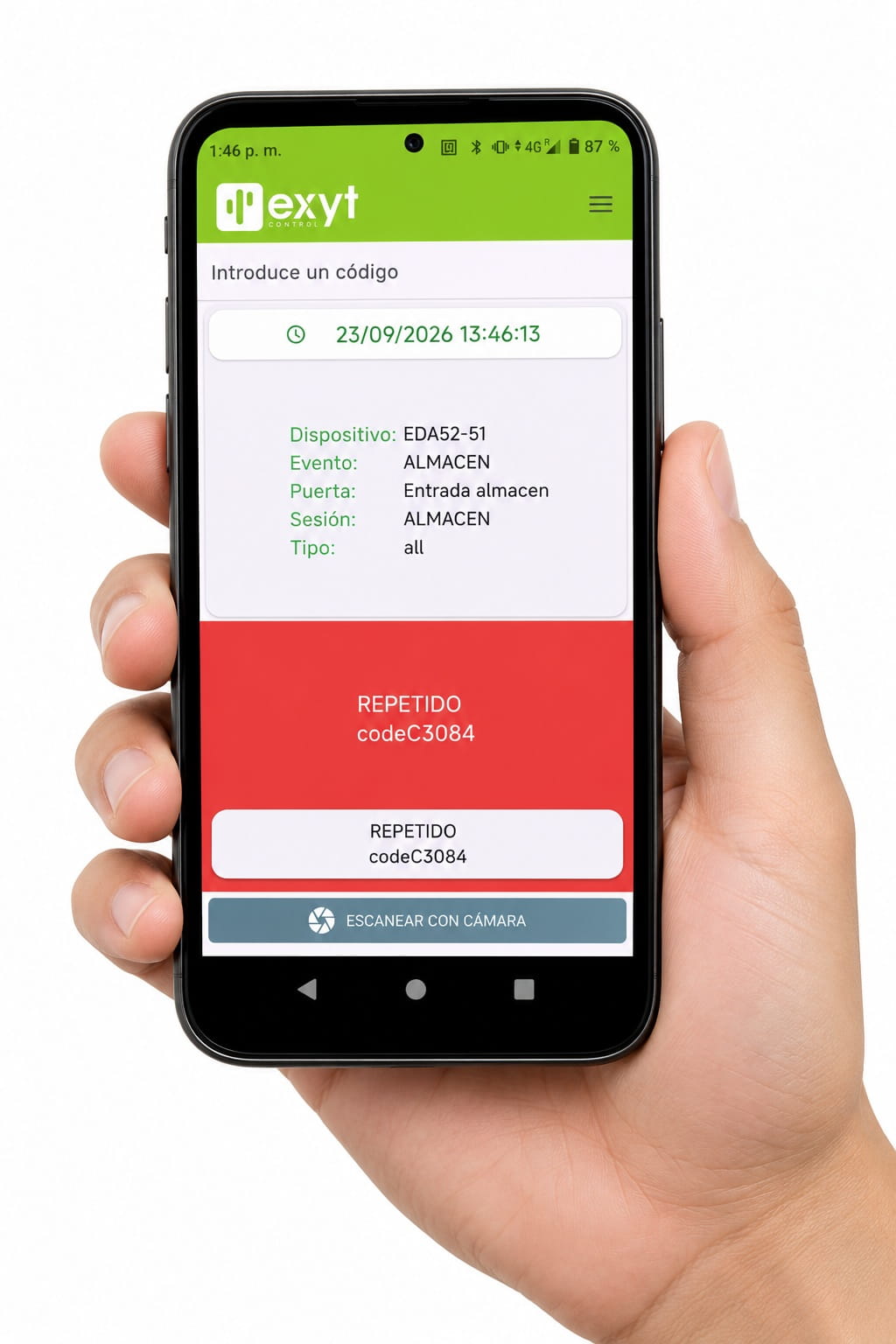
Most fraud cases today don’t involve “invented” codes, but rather real tickets that are reused or shared among several people, which gets exposed at the event’s entry points.
Not all access control systems are equally reliable at detecting duplicates, and that’s where the problem lies: a single ticket should only be usable once. Because of this, the same ticket shared as a screenshot can end up being validated multiple times, letting more than one person in.
The most effective way to prevent fraudulent access is to use real-time validation systems at access control points. This makes it possible to instantly detect duplicate tickets and automatically invalidate tickets that have already been used, whether checked at multiple entry points or through several devices, syncing data to record who enters, when, and where.
This not only protects the organizer, it also improves the attendee experience, since it reduces lines and prevents holdups caused by technical issues, even at events with unstable internet connections. It also helps prevent overcapacity, which can pose a safety risk for the entire event.
If you’d like to learn more about how validation and access control systems work at events, here’s more information about our event access control system.

